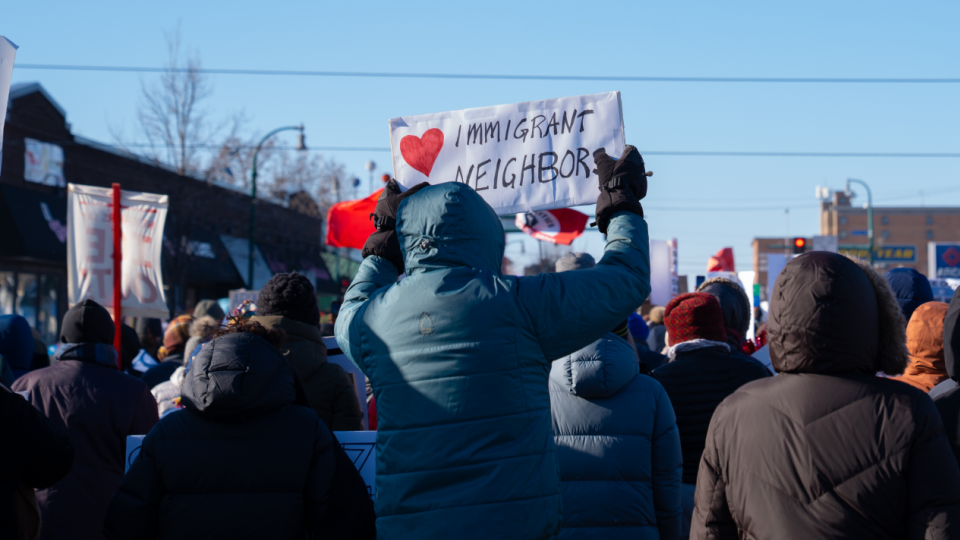
In 2026, the charitable sector will be asked to do more than respond to each acute crisis. The recent killing of American citizen Renee Nicole Good by an I.C.E. officer has left the people of Minneapolis in a place of deep grief and heightened fear, and communities all over the country are anxiously preparing for the possibility of increasing levels of violence and disruptions to daily life. We are at a crisis point — but this crisis may open the door away from short-term policy fixes and toward real societal and institutional transformation.
In his 1967 speech at Riverside Church decrying the Vietnam War, Rev. Dr. Martin Luther King Jr. spoke on the need for a radical reimagining of the work of charitable institutions. While recounting the parable of the Good Samaritan who stopped to help the fallen beggar on the road to Jericho, King challenged his audience to view their charitable responsibility beyond the plight of the beggar alone. Instead, King asked those listening to imagine themselves as architects of the road itself; to dedicate their work and their resources toward building a safer and more equitable path forward for the communities and society we share. As Americans come together to celebrate Dr. King’s legacy and find solace in his leadership, I find that his message on the transformative power of charity in turbulent times best captures the responsibilities and opportunities that lay before us.
In an environment rocked by political tensions and economic pressures, nonprofit and philanthropic organizations have the opportunity to help our communities lay the groundwork toward a safer, healthier, more prosperous, and more equitable America. Here’s how we at Independent Sector are preparing to help nonprofit and philanthropic organizations meet this moment and support their communities when they need it most.

Building Trust Between Nonprofits and the Communities They Serve
Independent Sector’s comprehensive research on public trust in civil society has helped nonprofits and philanthropic organizations understand their relationship to the communities they serve, highlighting areas of high public trust and revealing areas of weakness. As charitable organizations continue to be squeezed by shrinking federal funding and growing community demand on services, it is ever more essential that we understand and respond to the sources of distrust between charitable organizations and the American public. In 2026, Independent Sector will be expanding upon our existing trust research by integrating the perspectives of nonprofit leaders across the country, developing and sharing tested messaging and narrative guidance to help organizations show their value to their communities and overcome areas of public distrust and doubt.
Defending the Sector and the People that Power It
In 2025, the Trump administration’s pivot toward large-scale federal funding cuts and partisan weaponization of federal agencies has squeezed nonprofits and philanthropic organizations, forcing them to respond to greater community need with fewer resources. These pressures are widely expected to continue in 2026, and it is essential that nonprofit and philanthropic leaders unite behind a long-term strategy to defend the charitable sector from politically-motivated attacks and partisan influence — no matter which person or party occupies the White House. As the only national membership organization advocating on behalf of nonprofits, philanthropic foundations, and corporate giving programs, Independent Sector will work to bridge the gaps between nonprofit service providers and their philanthropic partners while advancing legal and legislative protections that will safeguard the sector now and in the future. One important step in that work will take place at Foundations on the Hill 2026, March 16-19 — we hope to see you there.
Fighting Fear by Coming Together
The charitable sector is built by people and for people, and the problems we face can only be solved by leveraging the unique strengths of the 1.9 million nonprofits and philanthropic foundations that make up American civil society. Organizations that have previously competed or worked at cross purposes with each other must now work in tandem if our sector is to overcome the existential challenges ahead. This was clear throughout Independent Sector’s National Summit hosted in Atlanta last year, and we will be building on that momentum in 2026 with more in-person gatherings, workshops, trainings, and networking events in communities across the country. This enhanced programming schedule will culminate in Independent Sector’s National Summit 2026 in Phoenix on October 13-16, with programming emphasizing co-creation, shared leadership, and collective momentum. Attendees can expect a program packed with sessions addressing the most pressing issues facing our sector today, with an emphasis on building the strength and influence of our collective advocacy efforts both on Capitol Hill and across the country.
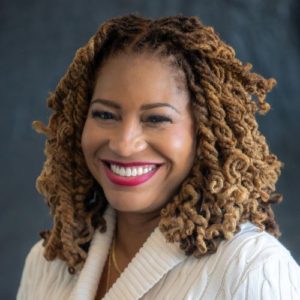
Dr. Akilah Watkins
For the charitable sector, 2025 was a year that challenged our missions and tested our wills. Widespread public funding cuts, new legal threats, and the 47-day federal government shutdown last fall have left many nonprofit organizations in a place of severe financial strain and workforce exhaustion. But for all the losses we have sustained this past year, we have also gained critical insights and partnerships that we must continue to build upon to protect and insulate nonprofit work from the winds and whims of partisan politics. Now more than ever, the charitable sector stands united by our shared sense of purpose, and we at Independent Sector are here to support you as you work to uplift and defend the communities you serve in 2026 and beyond.
Dr. Akilah Watkins is president and CEO of Independent Sector.